Winter Boiler Maintenance Tips for Homeowners Across South Yorkshire

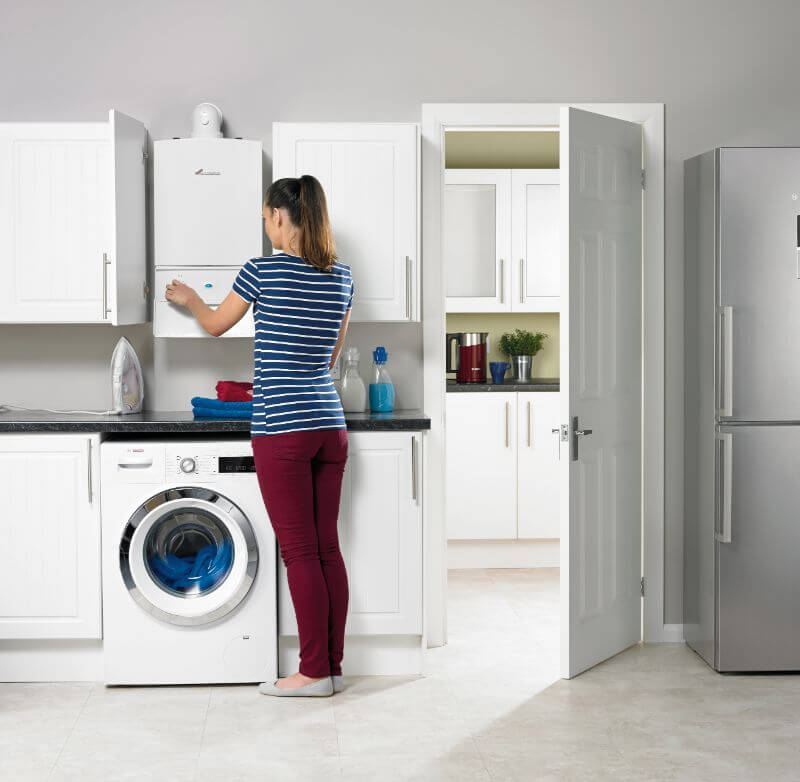
Winter in South Yorkshire isn’t exactly tropical. When the frost settles in and the heating’s working overtime, your boiler becomes the hardest-working appliance in the house. And like anything that works flat out… it appreciates a little TLC.

Winter in South Yorkshire isn’t exactly tropical. When the frost settles in and the heating’s working overtime, your boiler becomes the hardest-working appliance in the house. And like anything that works flat out… it appreciates a little TLC.

The good news? A few simple checks can help prevent breakdowns, keep your home warm, and avoid that dreaded “why is it cold in here?” moment.

Here are our top winter boiler maintenance tips for local homeowners.

1. Keep an Eye on Your Boiler Pressure

Low boiler pressure is one of the most common winter call-outs we attend across South Yorkshire.

Take a quick look at your pressure gauge every now and then. On most systems, it should sit between 1 and 2 bar when cold.

If it keeps dropping, that’s your boiler politely (or not so politely) telling you something isn’t right.

Top tip: Don’t just keep topping it up if it’s repeatedly losing pressure. That’s usually masking a bigger issue. It’s far better to get it checked early than wait for a full breakdown on the coldest day of the year.

2. Bleed Your Radiators

Radiators cold at the top and warm at the bottom? Classic sign of trapped air.

Bleeding your radiators helps:

  • Improve heat distribution
  • Make rooms warmer, faster
  • Reduce strain on your boiler
  • Avoid turning the thermostat up unnecessarily

It’s a simple job, but have a cloth ready… it can get a little splashy.

If you’re unsure or uncomfortable doing it, we’re always happy to help.

3. Don’t Ignore Strange Noises

Boilers should hum quietly in the background. They should not sound like:

  • A kettle about to take off
  • A haunted house
  • Someone banging pipes with a spanner

Banging, gurgling, whistling or kettling noises can indicate:

  • Air in the system
  • Pressure issues
  • Limescale build-up
  • Components wearing out

Catching these signs early can save you from a much bigger (and more expensive) problem later.

4. Keep the Area Around Your Boiler Clear

We know… that cupboard looks like the perfect place for coats, boxes, and half the Christmas decorations.

But your boiler needs space and airflow to operate safely and efficiently.

Avoid:

  • Blocking ventilation
  • Storing items tightly around pipework
  • Stacking boxes against the boiler casing

It’s not just about performance — it’s about safety too.

5. Book a Professional Boiler Service

DIY checks are great, but nothing replaces a proper annual boiler service.

A professional service ensures:

  • Your boiler is running safely
  • Efficiency levels are where they should be
  • Small faults are identified before winter gets serious
  • Manufacturer warranties remain valid

It’s peace of mind when temperatures drop — and when your boiler is working at full stretch.

Want Ongoing Peace of Mind?

If you’d rather not worry about surprise breakdowns, our Cosy Care Plan gives you priority support, annual servicing, and protection when you need it most.

Even better, members can receive up to 10% off future work¹.

It’s designed to keep South Yorkshire homes warm without unexpected repair costs.

Final Thought

A little attention now can make all the difference when winter properly sets in.

If you’d like your boiler checked over, book online at:

Or call us on 0114 248 3011.

DTS Plumbing & Heating — keeping South Yorkshire homes warm all winter long.

How to Prevent Frozen Pipes & Boiler Breakdowns This Winter

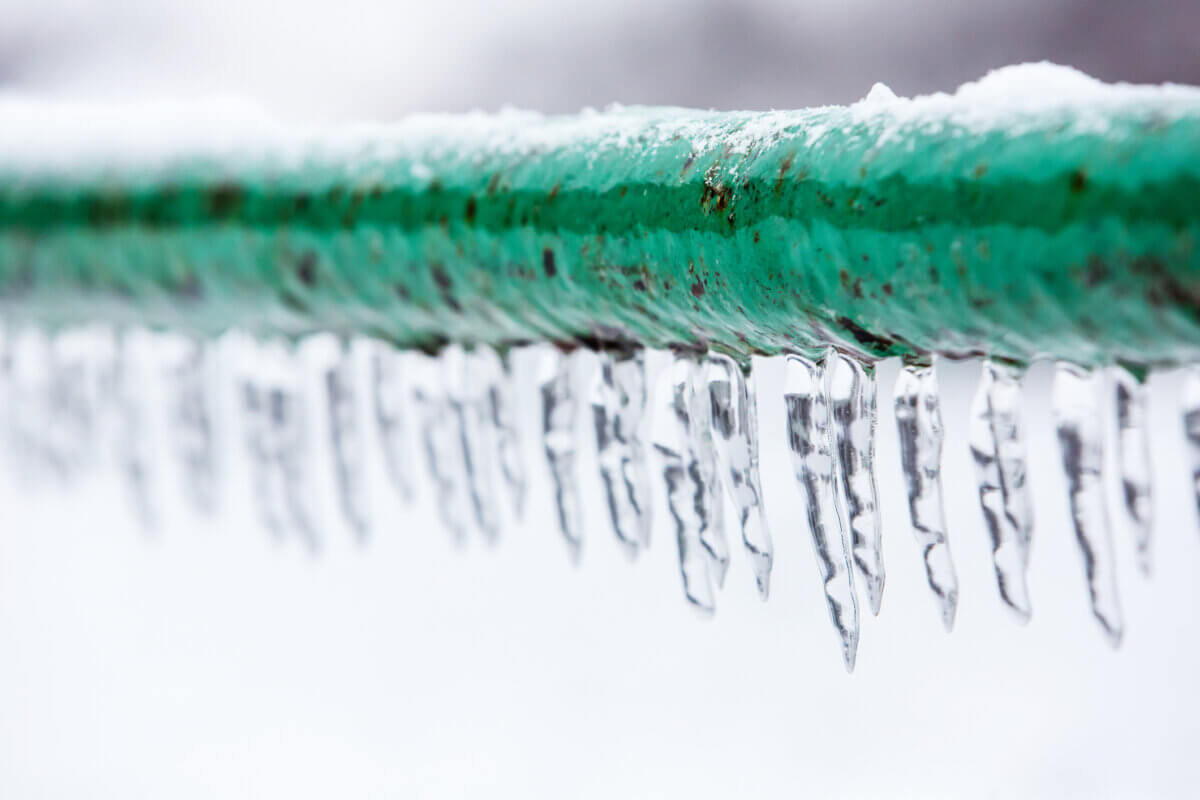
When winter rolls in and temperatures take a nosedive, your plumbing and heating system suddenly has a much harder job to do. Frozen pipes, boiler breakdowns, and that “why has everything chosen today to stop working?” moment are all far too common this time of year.

When winter rolls in and temperatures take a nosedive, your plumbing and heating system suddenly has a much harder job to do. Frozen pipes, boiler breakdowns, and that “why has everything chosen today to stop working?” moment are all far too common this time of year.

The good news? Most winter plumbing disasters are completely avoidable with a bit of forward planning. So, in true DTS fashion, here are our no-nonsense, tried-and-tested tips to keep your home warm, dry, and drama-free this winter.

1. Insulate Exposed Pipes (Future You Will Thank You)

Pipes in lofts, garages, cupboards on external walls, and anywhere that feels a bit nippy are the first to freeze when temperatures drop.

Foam pipe insulation is cheap, easy to fit, and surprisingly effective — think of it as a winter coat for your pipework.

Top tip:

Pay special attention to outdoor taps and boiler condensate pipes. These are winter’s favourite targets.

2. Keep the Heating On (Yes, Even When You’re Away)

Heading off for a winter break or staying with family? Don’t switch everything off and hope for the best.

Set your heating to a low, constant temperature — around 12–15°C is ideal. It keeps pipes warm enough to prevent freezing without turning your home into a sauna or sending your energy bills into orbit.

3. Know Where Your Stopcock Is (Before You Need It)

If a pipe does freeze and burst, shutting off the water quickly can be the difference between a small repair and a very soggy living room.

Make sure you know where your stopcock is — and that it actually turns. Even better, make sure everyone else in the house knows too. It’s not the sort of thing you want to be Googling at 2am.

4. Look After Your Boiler (It’s Working Overtime)

Winter is peak season for boilers. If yours is already struggling, cold weather will finish the job.

Keep an eye (and ear) out for warning signs such as:

  • Strange banging, whistling, or gurgling noises
  • Low pressure
  • Radiators not heating properly
  • No hot water when you need it most

A professional boiler service before winter hits helps catch problems early — and is far cheaper than an emergency call-out on the coldest day of the year.

5. Protect Your Boiler Condensate Pipe

One of the most common winter boiler issues we see is a frozen condensate pipe. When this freezes, the boiler shuts down as a safety measure — usually at the exact moment you need heating.

Insulating the pipe or rerouting it internally where possible can massively reduce the risk of freezing and save you an unnecessary breakdown.

6. Book a Winter Health Check (Prevention Beats Panic)

The simplest way to avoid winter breakdowns is to get ahead of them. A winter plumbing and heating check allows us to spot small issues before they turn into big, expensive ones.

Think of it as an MOT for your home — except it keeps you warm and doesn’t involve a waiting room.

Don’t Wait for a Winter Breakdown

If you’d rather spend winter warm and comfortable — instead of Googling “emergency plumber near me” — we’re here to help.

Contact DTS Plumbing & Heating to book your boiler service or winter plumbing check today.

You can also ask us about our Cosy Care Plan, which helps spread the cost of boiler care and gives you extra peace of mind through the colder months.

Because winter is unpredictable — your plumbing doesn’t have to be.

New Year, New Boiler: Why Servicing Matters

As we step into a fresh year, many of us set goals — from health and fitness to spring cleaning and saving money. But have you considered adding boiler care to your list of New Year priorities? At DTS Plumbing, we believe that a well-serviced boiler is one of the smartest investments you can make for comfort, safety, and cost-saving throughout the year.

As we step into a fresh year, many of us set goals — from health and fitness to spring cleaning and saving money. But have you considered adding boiler care to your list of New Year priorities? At DTS Plumbing, we believe that a well-serviced boiler is one of the smartest investments you can make for comfort, safety, and cost-saving throughout the year.

Why Boiler Servicing Should Be on Your New Year Check-List

1. Safety First

Your boiler works hard all winter, and without routine servicing, hidden problems can arise. Gas leaks, carbon monoxide risks, and faulty pressure levels are all issues that trained engineers can detect before they become dangerous. Annual servicing gives you peace of mind that your home is safe and compliant with regulations.

2. Save Money on Energy Bills

An unserviced boiler can lose efficiency over time, consuming more fuel to provide the same heat. Regular servicing ensures your boiler operates efficiently — saving you money on energy bills and reducing your household’s carbon footprint.

3. Detect Small Problems Before They Become Big

Boiler breakdowns always seem to happen at the worst moment — usually when you least expect them and need heat the most. During a service, expert engineers can spot small faults and fix them early, reducing the chance of costly emergency repairs.

4. Extend the Life of Your Boiler

A well-maintained boiler lasts longer. Just as you wouldn’t skip oil changes for your car, regular boiler servicing keeps your heating system working reliably year after year.

5. Maintain Your Warranty

Many boiler warranties require an annual service to remain valid. Skip the service, and you could be left responsible for repair costs that should have been covered.

What Our Boiler Service Includes

At DTS Plumbing, our comprehensive boiler service package covers:

  • Full safety checks and component inspections
  • Gas pressure and combustion analysis
  • Cleaning of essential internal parts
  • Performance optimisation
  • A detailed service report

Our experienced engineers treat every home with care and professionalism so you can enjoy a warm, safe, and efficient heating season.

Ready for a New Year, New Boiler Service?

Don’t wait until the cold weather hits hard — get your boiler serviced now and start the year with confidence. Contact DTS Plumbing today to book your boiler service and ensure your heating system is ready for whatever the year brings!

Book your service now: https://dtsplumbing.co.uk/

Heat Pumps: Are They the Future of Home Heating (and Is the Future Now)?

If you’ve been paying attention to the government’s net-zero targets, the rise of green tech, or the latest heating industry buzzwords, you’ve probably heard of heat pumps. They’re being pitched as the clean, renewable future of home heating. And in many ways — they are.

Heat Pumps: Are They the Future of Home Heating (and Is the Future Now)?

If you’ve been paying attention to the government’s net-zero targets, the rise of green tech, or the latest heating industry buzzwords, you’ve probably heard of heat pumps. They’re being pitched as the clean, renewable future of home heating. And in many ways — they are.

But are they right for your home? Are they as simple as swapping out a boiler? And is the “future” here yet, or are we still warming up to the idea?

Let’s take a level-headed look at heat pumps, where they work best, and why at DTS we’re currently big fans of hybrid systems — even if they’ve not quite hit the mainstream yet.

Heat Pumps: Are They the Future of Home Heating (and Is the Future Now)?

If you’ve been paying attention to the government’s net-zero targets, the rise of green tech, or the latest heating industry buzzwords, you’ve probably heard of heat pumps. They’re being pitched as the clean, renewable future of home heating. And in many ways — they are.

But are they right for your home? Are they as simple as swapping out a boiler? And is the “future” here yet, or are we still warming up to the idea?

Let’s take a level-headed look at heat pumps, where they work best, and why at DTS we’re currently big fans of hybrid systems — even if they’ve not quite hit the mainstream yet.

There’s nothing quite as annoying as stepping into a warm, relaxing shower — only to be suddenly blasted with fHeat Pumps: Are They the Future of Home Heating (and Is the Future Now)?

If you’ve been paying attention to the government’s net-zero targets, the rise of green tech, or the latest heating industry buzzwords, you’ve probably heard of heat pumps. They’re being pitched as the clean, renewable future of home heating. And in many ways — they are.

But are they right for your home? Are they as simple as swapping out a boiler? And is the “future” here yet, or are we still warming up to the idea?

Let’s take a level-headed look at heat pumps, where they work best, and why at DTS we’re currently big fans of hybrid systems — even if they’ve not quite hit the mainstream yet.


What is a Heat Pump?

A heat pump works a bit like a fridge, but in reverse. It pulls heat from the outside air (even in winter), compresses it, and uses it to heat your home and hot water. Sounds clever? It is.

They run on electricity, not gas or oil, and they’re incredibly efficient — delivering more energy than they use, especially in well-insulated homes.

They’re a big part of the UK’s plan to phase out traditional fossil fuel heating systems over the next decade. But there’s a catch — well, a few.is likely with the shower unit or mixer itself.This is exactly why we recommend fitting a Surestop.


The Pros of Heat Pumps

Let’s give them their due credit:

  • Energy-efficient: For every 1kW of electricity used, a heat pump can deliver 3–4kW of heat. That’s clever stuff.
  • Lower carbon emissions: Great if you’re trying to go greener at home.
  • Works with renewable energy: Pair with solar panels for even more savings.
  • Future-proof: The government loves them, and regulations are moving in their direction.

If your house is already well-insulated with underfloor heating or modern radiators, a heat pump can be a great solution.

But — and there’s always a but — it’s not just a case of swapping one box for another.


The Drawbacks (That Often Get Glossed Over)

Heat pumps work very differently to traditional gas boilers, and to get the most out of them, your home needs to be properly prepared. That’s where the extra cost (and disruption) comes in.

1. You’ll Probably Need to Upgrade Your Radiators and Pipework

Because heat pumps run at lower temperatures, you need larger surface areas to get the same warmth. This means:

  • Bigger radiators
  • Thicker pipes in some cases
  • Possibly more radiators added in colder rooms

That’s not just an equipment upgrade — it usually means decoratingplastering, or flooring work once the new pipework’s in.Solution: A replacement thermostatic cartridge or a full shower upgrade.


2. You’ll Need More Space

Gas combi boilers are compact, tidy, and sit out of the way. Heat pump systems? Not so much.

To make it work, you’ll typically need:

  • An external heat pump unit outside the home
  • An unvented hot water cylinder (if you don’t already have one)
  • buffer tank (in some setups)

If space is tight, this can be a real challenge.


3. Installation is More Complex

Fitting a heat pump is not a straight swap. It needs:

  • Careful design
  • A proper heat loss calculation
  • A knowledgeable installer who understands how to balance flow rates and temperatures

Unfortunately, not every heating company knows how to do this well. We’ve seen plenty of installations where things weren’t sized properly, or settings were left untouched. That’s bad for performance and for your energy bills.


So… Are They Worth It?

In the right home, with the right setup, absolutely. We’ve seen heat pumps work brilliantly in:

  • Well-insulated new builds
  • Renovated homes with modern systems
  • Customers happy to invest in the full upgrade

But in many UK homes — especially older ones with standard radiators and combi boilers — the switch is a big job. Not impossible, but more time-consuming, more expensive, and potentially disruptive..


Our Favourite Option: The Hybrid Setup

For homeowners who want to dip a toe into renewable heating without ditching gas completely, we’re big fans of the hybrid system.

A hybrid setup combines a gas boiler and a heat pump, letting them work together. The heat pump handles most of the everyday heating efficiently, while the boiler kicks in for hot water or when you need a little extra oomph on colder days.

It’s a great balance:

  • Lower running costs
  • Fewer upgrades required
  • Better comfort
  • Built-in backup

The downside?

As of now, there are no government grants available for hybrid systems, even though they’re often the most practical solution for real homes.


So, What Should You Do?

Here’s our honest take:

  • If you’re building a new home, extending, or completely renovating — look into heat pumps or hybrid setups.
  • If you live in a well-insulated house and have space for a hot water tank — heat pumps are worth a look.
  • If your home has older radiators, minimal insulation, or you’re on a tighter budget — a modern gas boiler is still your best bet for now.

At DTS, we’re not here to sell you whatever’s trendy. We’re here to give you the heating setup that makes sense for your home, your budget, and your comfort.m.


Want Advice on What’s Right for Your Home?

We design and install:

  • Gas boilers
  • Hybrid systems
  • Heat pump-ready upgrades
  • Full heating renovations

And we do it with your comfort, space, and budget in mind.

Get in touch for a no-obligation chat — we’ll help you figure out what works best without the jargon or pressure.

 Call us on 0114 248 3011 Or book an appointment online: www.dtsplumbing.co.uk/book-an-appointment


The future of heating might be electric — but for most homes today, it’s still about getting the right balance. We’re here to help you find it.

Why Does My Shower Keep Going Hot and Cold? (And What to Do About It)

There’s nothing quite as annoying as stepping into a warm, relaxing shower — only to be suddenly blasted with freezing cold water, then scalded a few seconds later. It’s like your shower’s trying to keep you alert. Or punish you for singing.

There’s nothing quite as annoying as stepping into a warm, relaxing shower — only to be suddenly blasted with freezing cold water, then scalded a few seconds later. It’s like your shower’s trying to keep you alert. Or punish you for singing.

But if your shower keeps fluctuating between hot and cold, it’s not just being moody — it’s a sign something’s wrong.

Let’s break down what causes this, how to figure out whether it’s your shower or your boiler, and how you can avoid it happening again.


Step One: Is It Just the Shower?

Before you blame your boiler, make sure it’s not just the shower itself.

Try this test:

  • Run the hot tap in your kitchen or basin.
  • Let it run for a good 30 seconds.
  • Is the hot water temperature stable?

If the tap stays nice and hot the whole time, chances are the boiler is working fine. The problem is likely with the shower unit or mixer itself.This is exactly why we recommend fitting a Surestop.


Step Two: Is It Happening Elsewhere?

Now try a second test:

  • Run the hot tap in the bathroom basin or kitchen.
  • Do you get the same hot-then-cold-then-hot again pattern?

If yes, the issue may lie with your boiler, system pressure, or hot water controls — especially if you’ve got a combi boiler. In that case, the boiler might be struggling to maintain a steady temperature.

We’ll cover both scenarios below.


If It’s a Shower Problem

If the issue is only happening in the shower, it’s usually one of these:

1. Faulty Thermostatic Shower Valve

Most modern showers are thermostatic — meaning they mix hot and cold water automatically to maintain a steady temperature. But if the cartridge or valve inside is worn out or scaled up (especially in hard water areas), it can’t balance the temperature properly.

This causes the shower to:

  • Start warm, then go cold
  • Fluctuate depending on who’s using taps or flushing toilets elsewhere
  • Occasionally shut off the hot water altogether

Solution: A replacement thermostatic cartridge or a full shower upgrade.


3. Your Shower’s Just Not That Good

We don’t like to name names, but some “budget” showers are more show than substance. They’ll look nice for a few years, but inside they’re all plastic parts and inconsistent flow control.

If you’re after reliability, we always recommend Grohe — their TurboStat® technology is designed to lock onto your preferred temperature and hold it, even if someone else is using water elsewhere in the house.

No more cold surprises. No more random temperature swings. Just good, steady showers. Every time.


If It’s a Boiler Problem

If the hot water fluctuates at all taps — not just the shower — then the issue might be with the boiler or system itself.

Here’s what to check:

1. Combi Boiler Struggling to Keep Up

Combi boilers heat water on demand, which means they can struggle when:

  • Multiple hot taps are on at once
  • Your shower needs a higher flow rate than the boiler can handle
  • The boiler is undersized for the household

Some older combis also struggle to regulate temperature smoothly. They overshoot, then compensate, then overshoot again — hence the hot-cold-hot cycle.


2. Limescale in the Plate Heat Exchanger

The plate heat exchanger is the bit inside your combi that transfers heat from the boiler to your hot water. If it’s clogged up with limescale or debris, it can cause:

  • Reduced flow rates
  • Uneven temperatures
  • Hot water shutting off completely mid-shower

We can test and descale (or replace) the heat exchanger if needed.


3. Boiler Sensor or Flow Switch Fault

Sometimes it’s not a big mechanical issue — it’s just a tired sensor or dodgy flow switch inside the boiler. These parts tell the boiler when to heat water and how much heat to give. If they’re on the blink, the boiler won’t behave consistently.

A service visit can usually identify this and get it sorted before it gets worse.


The Best Long-Term Fix: Upgrade Your Shower

If your boiler is behaving and it’s just the shower acting up, it might be time to invest in a high-quality thermostatic shower.

We recommend Grohe for a reason:

  • Their TurboStat® technology reacts within fractions of a second to temperature changes.
  • They’re engineered in Germany, built to last.
  • They work brilliantly with combi boilers and high-pressure systems.
  • They come with long guarantees and fewer headaches.

A Grohe shower doesn’t just improve comfort — it puts an end to hot-cold surprises for good.

Ask us about fitting one during your next bathroom upgrade or service visit. We supply and fit the full Grohe range and can recommend the best model for your system.


Book a Service or Shower Check

If your hot water is misbehaving and you’re not sure whether it’s the boiler or the shower, we’ll come out and figure it out for you.

You can:

Let us know what’s happening and we’ll point you in the right direction — whether it’s a service, a new shower valve, or a proper thermostatic upgrade.


Bonus Tip: Cover Yourself with a Cosy Care Plan

Hot water problems have a habit of cropping up at the worst time. If you want peace of mind all year round, our Cosy Care Plans include:

  • Annual servicing
  • Priority callouts
  • Parts and labour cover (depending on plan)
  • 10% off this visit if you sign up now

Take a look at the options here:

www.dtsplumbing.co.uk/boiler-cover-plans


Fed up of being blasted with cold water mid-shampoo? We can help. Book a visit — and take your showers seriously again.


What to Do in an Emergency Water Leak (Without Panicking)

You’re minding your own business when suddenly — drip, drip, drip… or worse, a gushing sound coming from somewhere it definitely shouldn’t. Whether it’s a slow leak from under the sink or water pouring through the ceiling, water leaks are one of the most stressful home disasters you can deal with.

You’re minding your own business when suddenly — drip, drip, drip… or worse, a gushing sound coming from somewhere it definitely shouldn’t. Whether it’s a slow leak from under the sink or water pouring through the ceiling, water leaks are one of the most stressful home disasters you can deal with.

The good news? If you act quickly and follow a few simple steps, you can limit the damage and get it sorted fast.

Let’s walk through what to do in the moment, plus a few handy tips that could save your bacon next time.


Step One: 

Turn Off the Water Supply

Sounds obvious, but in the panic, it’s easy to forget.

Find your stop tap (also called a stopcock) — usually under the kitchen sink, near the water meter, or in a downstairs cupboard — and turn it clockwise until it stops. This shuts off the incoming mains water supply to your house.

Can’t Find It? Can’t Turn It?

You’re not alone. Lots of customers we visit:

  • Have no idea where their stop tap is
  • Have a stop tap that’s seized or stuck
  • Panic in an emergency and can’t get to it in time

This is exactly why we recommend fitting a Surestop.


The Easy Solution: 

Install a Surestop Remote Stop Tap

Surestop is a clever little gadget that lets you shut off your mains water at the press of a button — no need to fumble under the sink or wrestle with stiff brass taps.

  • Works even during power cuts (uses water pressure, not electricity)
  • Can be fitted with a remote switch, so you can control it from a wall-mounted button
  • Helps elderly customers, people with mobility issues, or just anyone who doesn’t want to crawl into a cupboard mid-crisis

We fit these all the time, and honestly, they’re a no-brainer. Especially if you’ve ever had to sprint to the stop tap with water pouring through the ceiling.

Ask us to fit one during your next service visit or job — it’s quick, affordable, and might save you thousands in water damage.


Step Two: 

Turn Off the Heating or Boiler (if needed)

If the leak is near your boiler, radiators, or hot water cylinder, turn off the heating system. You don’t want it pulling in more water or potentially damaging the boiler.

If the leak is clearly from the cold water pipes (like under a sink or from a washing machine hose), this step might not be necessary — but when in doubt, switch it off at the boiler or cylinder and stay safe.t sticks out the wall behind your boiler — if it’s dripping or wet, the PRV might be leaking.


Step Three: 

Isolate the Leak (If You Can)

If you can see exactly where the leak is coming from — like a burst flexi hose or a cracked fitting — and there’s an isolation valve nearby, turn that off too. This will stop water to just that part of the house.

Can’t find a valve? Don’t stress. You’ve already turned the water off at the mains. That’s the most important bit. up.


Step Four: 

Contain the Water

Grab towels, buckets, pans — whatever you can find — and try to catch or divert the water to avoid further damage.

  • Lay towels around the base of units or walls
  • Use buckets under drips
  • Keep water away from electrics if possible

If water is coming through the ceiling, don’t poke or burst the plaster. Just contain the water underneath and call for help.


Step Five: 

Call a Professional

Once the water’s off and the drama is contained, give us a ring. We can:

  • Locate and fix the source of the leak
  • Repair or replace pipework, fittings, or taps
  • Advise on long-term prevention (like fitting a Surestop)
  • Help get your water safely back on

You can book online for fast response:

www.dtsplumbing.co.uk/book-an-appointment

Or call the office on: 0114 248 3011

If the leak is serious and has caused damage to electrics or ceilings, you may also need to call your home insurance provider and possibly a qualified electrician.


Bonus Tips for Future Peace of Mind

Here’s how to get ahead of the next leak:

Don’t ignore minor leaks — a drip today can be a disaster tomorrow

Find your stop tap now — don’t wait until you’re ankle-deep in water

Test it every few months to make sure it still turns

Label it clearly so everyone in the house knows where it is

Fit a Surestop — seriously, just do it. We can have it done in under an hour

Check flexi hoses regularly, especially behind toilets and sinks


Final Thought

A water leak might feel like a disaster in the moment, but the key is acting quickly. Shut off the water, stay calm, and call in the experts.

And next time someone says, “What’s that button on the wall?” — you can proudly say, “That’s my Surestop. Press it and the entire house water goes off.”

Suddenly, you’re the most sensible person in the house

Why Is My Boiler Pressure Going Up and Down? (And What to Do About It)

Boiler pressure is a bit like Goldilocks — it needs to be just right. Not too high, not too low. So, when your pressure gauge is playing yoyo — shooting up when the heating’s on, then crashing down to zero when it’s off — it’s your boiler’s way of saying: “Something’s not right here, mate.”

Boiler pressure is a bit like Goldilocks — it needs to be just right. Not too high, not too low. So, when your pressure gauge is playing yoyo — shooting up when the heating’s on, then crashing down to zero when it’s off — it’s your boiler’s way of saying: “Something’s not right here, mate.”

Let’s break down what’s going on, what might be causing it, and whether you need a boiler service or a repair visit.


What’s Normal Boiler Pressure?

Most boilers like to sit between 1.0 and 1.5 bar when cold, and around 2.0 to 2.5 bar when hot. If it’s going above 3 baror dropping to zero, that’s a red flag and needs attention.


What Causes the Pressure to Go Up and Down?

Here are the most common reasons this happens.

1. Expansion Vessel Issue

The most likely culprit is a faulty expansion vessel. This part of your boiler absorbs the pressure as water heats and expands. If it’s lost its air charge or the internal diaphragm has failed, it can’t regulate the pressure properly.

What happens:

  • Pressure rises too high when the heating’s on
  • Then drops right back to zero when the system cools
  • You might also get water discharging from the overflow pipe outside

This is one of the most common faults we get called out to. It’s fixable, but needs a professional to test and recharge or replace the expansion vessel.In short, it’s smart, solid, and built to last.


2. Faulty Pressure Relief Valve (PRV)

When the pressure gets too high, the PRV is meant to release water to keep things safe. But if it’s:

  • Let off too many times,
  • Not reseated correctly, or
  • Just worn out

…it might continue to leak even when the pressure is normal. This causes pressure to drop, especially once the heating is off.

You can often spot this one by checking the pipe that sticks out the wall behind your boiler — if it’s dripping or wet, the PRV might be leaking.


3. Filling Loop Left Open

If your filling loop (usually a silver braided hose under the boiler) has been left slightly open after topping up the pressure, water will continue to enter the system.

This raises the pressure too high, the boiler dumps the excess water through the PRV, and you end up right back where you started — pressure at zero.

Always make sure both ends of the filling loop are fully closed after topping up.


4. Leak or Blockage in the System

In rarer cases, a hidden leak somewhere in the pipework or a blockage in the system can cause pressure fluctuations. If your pressure is constantly dropping and you’re having to top it up every few days, this might be the case


Should You Book a Service or a Repair?

That depends on what exactly is going wrong. Here’s a quick guide:

SymptomBest Option
Pressure rises above 3 bar when heating is onRepair visit (likely expansion vessel issue)
Pressure drops to 0 when boiler is offRepair visit (check PRV and expansion vessel)
Constant topping up requiredRepair and possible system inspection
No heating or hot waterEmergency repair visit
Boiler still running fine, but pressure acting oddBook a service and mention the issue – we’ll check it thoroughly

Why You Shouldn’t Ignore It

Topping up the pressure every few days might seem like an easy fix, but it’s only masking a bigger issue. Left untreated, it can lead to internal leaks, water damage, or even boiler failure.

Pressure that goes too high puts strain on valves and joints, and pressure that drops too low can shut the boiler off completely — often when you need it most.


Book a Repair or Service with DTS Plumbing & Heating

We handle these kinds of pressure problems all the time — it’s usually a straightforward fix when caught early. If you’re based in South Yorkshire or nearby, our engineers can come out, diagnose the problem properly, and get your boiler back on track.

You can book online here:

www.dtsplumbing.co.uk/book-an-appointment

Or call the office on:

0114 248 3011


Cover Future Problems with Our Cosy Care Plan

If you don’t fancy dealing with pressure problems, leaks, or breakdowns in the middle of winter, our Cosy Care Plans offer full boiler cover with annual servicing, priority callouts, and parts and labour included (depending on the plan you choose).

Even better — if you take out a Cosy Care Plan before your visit, you’ll get 10% off this repair or labour covered plan dependant .

Take a look at the plans here:

www.dtsplumbing.co.uk/boiler-cover-plans


Final Thought

A pressure gauge that won’t sit still is your boiler’s way of saying it needs a bit of TLC. Whether it’s a tired expansion vessel or a leaky valve, our team can fix it before it turns into something more serious.

Just pop the kettle on and we’ll handle the rest.

The Worcester Bosch 4000: The Combi Boiler You Didn’t Know You Were Waiting For

If the Worcester Bosch 4000 were a car, it’d be a sleek German saloon. Efficient, refined, easy on the eye — and just the right amount of clever under the bonnet.

If the Worcester Bosch 4000 were a car, it’d be a sleek German saloon. Efficient, refined, easy on the eye — and just the right amount of clever under the bonnet.

We’re talking about a combi boiler, yes. But not just any combi boiler. This is the new generation. The glow-up. The 4000 is Worcester Bosch’s answer to “how do we make one of the UK’s most-loved boilers even better?”

And spoiler alert: they’ve nailed it.


First Impressions: Sleek, Quiet, Classy

Gone are the clunky white boxes of yesteryear. The 4000’s had a facelift — and not one of those tight, weird ones. We’re talking smooth lines, a crisp LCD screen, and a minimalist front panel that wouldn’t look out of place on a Tesla.

It even comes in white or black. That’s right — a black boiler. Finally, something that says “I know what flow rates are, but I also have taste.”


Under the Bonnet: What’s It Packing?

Let’s get into the specs:

  • Flow rate: 12.3 litres per minute (30kW model) — plenty for showers that actually stay hot
  • Quiet Mark certified: runs quieter than a cat tiptoeing across a carpet
  • Built-in RF boiler control: makes pairing it with wireless controls (like the Bosch Comfort+ II) a breeze
  • Hydrogen blend ready (20%): it’s future-proof without shouting about it
  • Sleek new screen with simple diagnostics: no more decoding flashing lights like you’re trying to defuse a bomb

In short, it’s smart, solid, and built to last.


What’s It Like to Live With?

If you’re upgrading from an older boiler, switching to the 4000 is like trading your 2005 hatchback for a brand-new Audi. You’ll notice the difference immediately.

  • Hot water feels instant
  • Heating comes on fast and feels balanced
  • No clunking or humming noises
  • More efficient — lower gas bills without having to wear three jumpers

And paired with smart controls, it becomes even more intuitive. Want to change the heating from your phone? Done. Want a holiday mode while you’re away? Sorted. Want to show off to your mates that you can turn the hot water on from the pub? Absolutely..


The DTS Verdict

We fit a lot of boilers at DTS — and this one’s an engineer favourite. Why?

  • It’s reliable (Worcester Bosch are known for it)
  • It’s easy to fit and service
  • Customers love the look and performance
  • It works well in most UK homes, especially 1–2 bathroom setups

If you’re looking for a premium combi boiler that doesn’t scream for attention but delivers when it counts — this is it.


The Only Downsides?

Let’s be honest — it’s not the cheapest option on the market. But like a well-made car, you’re paying for build quality, performance, and peace of mind. Plus:

If your home has very high hot water demand (e.g. two power showers running at once), you might want to look at the 8000 range insteadt because” — unless you’ve got the demand to justify it, you’ll be wasting gas and money.

You’ll need a decent wall space — it’s compact, but not magic


DTS Supply & Fit Packages Available

We supply and fit the Worcester Bosch 4000 all over South Yorkshire, and we do it properly — with:

  • Proper flushing and setup
  • Worcester’s 10-year guarantee (when fitted with filter and controls)
  • Friendly, tidy installers who don’t leave your house looking like a crime scene

Want a quote?

Book a survey with us here:

www.dtsplumbing.co.uk/book-an-appointment


Fancy One With a Service Plan?

Get the 4000 installed and protect it with our Cosy Care Plan — includes:

  • Annual servicing
  • Priority callouts
  • Parts and labour cover
  • And 10% off if you sign up before installation

Find out more:

www.dtsplumbing.co.uk/boiler-cover-plans


Final Thoughts

The Worcester Bosch 4000 is one of those rare bits of kit that just gets everything right. Looks good, runs quietly, performs brilliantly, and won’t leave you stranded in the middle of winter.

It’s not just a boiler — it’s a lifestyle upgrade.

(OK, maybe not quite, but it’s close.)

Worcester Bosch Combi Boilers Compared: 1000 vs 2000 vs 4000 vs 8000

If you’re shopping for a new boiler and feel like you’re comparing four very similar-looking boxes with wildly different price tags, you’re not alone.
This blog is your side-by-side breakdown to help you choose what’s best for your new bathroom. Spoiler: there’s no wrong answer, but there is definitely a smarter one depending on your space, budget, and how much you like cleaning grout.

Worcester Bosch Combi Boilers Compared: 1000 vs 2000 vs 4000 vs 8000

If you’re shopping for a new boiler and feel like you’re comparing four very similar-looking boxes with wildly different price tags, you’re not alone.

Worcester Bosch currently offers four main combi boiler ranges — the 100020004000, and 8000. They all heat your water and keep your home warm, but the differences under the casing are pretty important.

Here’s our no-fluff, straight-talking guide to which one is right for your home — and what you’re really paying for.

Quick Comparison Table

ModelOutput SizesHot Water Flow RateBest ForWarrantyOur Verdict
Worcester 100025kW / 30kW10.2–12.3 L/minSmall homes, rental properties5 yearsBudget-friendly, stripped-back
Worcester 200025kW / 30kW10.2–12.3 L/minFlats, small homes7 yearsEntry-level but solid
Worcester 400025kW / 30kW10.2–12.3 L/min2–4 bed homes10 yearsThe best all-rounder
Worcester 800030–50kWUp to 20.3 L/minLarger homes, 2+ bathrooms12 yearsLuxury performance

Worcester Bosch 1000 – The New Budget Boiler

Best for: Landlords, rental properties, budget-conscious customers

Why you’d choose it: You need a reliable boiler with a name you trust, without the premium price

The 1000 is Worcester’s most affordable boiler to date. It’s a no-frills, do-the-job kind of unit, aimed at the budget end of the market — but it’s still a Worcester Bosch, so it ticks the reliability box.

Pros:

  • Very affordable
  • Compact design
  • Worcester build quality
  • Great for basic installs and rental properties

Cons:

  • Basic controls and display
  • 5-year warranty (shorter than other models)
  • Limited compatibility with smart controls
  • Not hydrogen blend ready
  • No integrated RF receiver

DTS Verdict: If you’re a landlord or just need a reliable replacement boiler without breaking the bank, the 1000 is great value. Just don’t expect bells, whistles, or future-proofing..


Worcester Bosch 2000 – The Entry-Level Everyday Boiler

Best for: Small homes or flats

Why you’d choose it: You want something simple, decent, and quiet

The 2000 sits just above the 1000. It’s still an entry-level boiler, but with a few more refinements: a quieter operation, better controls, and improved performance for smaller households.

Pros:

  • Affordable
  • Quiet operation
  • Great for 1-bed or 2-bed properties
  • Compact and cupboard-friendly
  • Slightly higher warranty (7 years)

Cons:

  • Limited to 30kW max
  • No integrated wireless receiver
  • Doesn’t support EasyControl
  • Not hydrogen blend ready

DTS Verdict: A small step up from the 1000. It’s popular with first-time buyers, landlords and people who just want a dependable boiler without the frills.


Worcester Bosch 4000 – The Best All-Rounder

Best for: Most 2–4 bed homes with a single bathroom

Why you’d choose it: You want quiet performance, future-proofing, and smart control

The 4000 is the one we recommend most. It’s got the right mix of performance, efficiency, and features — perfect for families who want a solid upgrade without stepping into premium territory.

Pros:

  • Very quiet (Quiet Mark certified)
  • Hydrogen blend ready
  • 10-year warranty with filter & controls
  • Built-in wireless control receiver (Comfort+ II ready)
  • Stylish design and LCD screen
  • Works with smart controls

Cons:

  • Only goes up to 30kW (may not suit bigger homes)
  • Slightly more expensive than the 2000

DTS Verdict: The best bang-for-buck boiler in Worcester’s range. Most customers love it. It’s what we fit most often — and for good reason.


Worcester Bosch 8000 – The High-Performance Flagship

Best for: Big homes, high demand, two or more bathrooms

Why you’d choose it: You want serious performance and the best of everything

The 8000 is the Rolls-Royce of combis. Built for homes that need lots of hot water fast — think large properties, multiple showers, or homes with big radiators and long pipe runs.

Pros:

  • Available in 30kW, 35kW, 40kW, 45kW, and 50kW
  • Huge hot water flow rates
  • Looks stunning in white or black gloss
  • Fully compatible with EasyControl and other smart systems
  • 12-year warranty with proper installation

Cons:

  • Bigger physically — needs space
  • More expensive
  • Total overkill for smaller homes

DTS Verdict: If your home needs the power, this is a beast of a boiler. But don’t buy one “just because” — unless you’ve got the demand to justify it, you’ll be wasting gas and money.


Final Thoughts: Which One Should You Pick?

If you’re still unsure, here’s a simple way to think about it:

  • Worcester 1000: You’re on a budget or replacing a boiler in a rental
  • Worcester 2000: Small home, want decent performance without the fancy extras
  • Worcester 4000: You want something smart, quiet and future-proof for everyday use — our top recommendation
  • Worcester 8000: You’ve got a big house, big hot water demand, or just want the best

Still unsure? Book a survey with us and we’ll help you choose the right boiler for your home, not just the one with the biggest spec sheet.


Get a Boiler Quote from DTS Plumbing & Heating

We supply and install all Worcester Bosch models across South Yorkshire, with:

  • Expert advice
  • Proper installation (no shortcuts)
  • Full flushing and setup
  • Warranty registration
  • Priority servicing and support

 Book your quote online: www.dtsplumbing.co.uk/book-an-appointment Or call us: 0114 248 3011

Wall Panels vs Tiles: Which Is Best for My New Bathroom?

Planning a bathroom renovation? One of the biggest choices you’ll make (after whether or not to go for underfloor heating, of course) is Tiles or wall panels?

This blog is your side-by-side breakdown to help you choose what’s best for your new bathroom. Spoiler: there’s no wrong answer, but there is definitely a smarter one depending on your space, budget, and how much you like cleaning grout.

Planning a bathroom renovation? One of the biggest choices you’ll make (after whether or not to go for underfloor heating, of course) is this:

Tiles or wall panels?

Both are solid options. Both are waterproof. Both can look amazing. But they offer different advantages — and there are a few key things to know before you commit.

This blog is your side-by-side breakdown to help you choose what’s best for your new bathroom. Spoiler: there’s no wrong answer, but there is definitely a smarter one depending on your space, budget, and how much you like cleaning grout.


What’s the difference?

Tiles are individual ceramic, porcelain or stone pieces, fitted using adhesive and finished with grout. They come in just about every colour, shape and style imaginable.

Wall panels are large waterproof sheets, typically made from PVC, MDF laminate or acrylic, that are fixed directly to your bathroom walls. They’re designed to be fast to install, easy to clean, and 100% waterproof when fitted properly.


Why choose tiles?

✓ Classic, timeless appeal

Tiles give you huge design flexibility. Whether you want a sleek marble-effect wall, rustic stone, or bold herringbone feature, tiles can make it happen.

✓ Custom layout options

Mix sizes, shapes, borders and grout colours to make the design completely yours.

✓ Heat and wear resistant

Porcelain and ceramic tiles are tough. A well-installed tiled wall will last decades.


⚠ The downsides?

Grout maintenance. Even with mould-resistant options, grout can stain or crack over time.

Longer installation time. Tiling requires prep, setting, grouting and drying time.

Labour cost. Especially for intricate designs or smaller tiles.


Why choose wall panels?

✓ Quick to install

Because they’re large sheets, wall panels go up in a fraction of the time compared to tiles. Great if you’re on a tight timeline or budget.

✓ Grout-free & low maintenance

No grout = no scrubbing. Most panels can be wiped clean with a cloth and spray.

✓ Seamless look

Perfect for modern, minimal bathrooms. Especially good in showers and around baths.

✓ Waterproof

When properly sealed and installed, wall panels provide a full waterproof barrier.


⚠ But be warned:

Not all wall panels are created equally.

There are some fantastic systems out there — and some very flimsy, bendy ones that won’t last a year. If you’re leaning towards panels, make sure you read this first:

→ Choosing the Right Wall Panels for Your Bathroom: What to Look For (and What to Avoid)


Cost comparison

FeatureTilesWall Panels
MaterialsWide price range (can be high)Mid-range to premium options
InstallationSlower, more labourFaster, usually lower cost
MaintenanceGrout needs upkeepWipe-clean, no grout
CustomisationTotal design flexibilityMore limited, but improving

Our recommendation

At DTS Plumbing & Heating and Signature Bathrooms by DTS, we regularly install both. And honestly? It depends on what you want from your bathroom.

Go for tiles if you:

  • Want a traditional or highly stylised finish
  • Love bold design detail or intricate patterns
  • Don’t mind doing a bit of grout maintenance now and then

Go for wall panels if you:

  • Want something fast, clean and easy to maintain
  • Prefer a seamless or modern look
  • Want a low-fuss shower enclosure or bath surround

Or do both!

Many of our customers go for wall panels in the shower, and tiles everywhere else. You get the speed and practicality where it matters, and the personality where it counts.


Still not sure?

Come and see both options up close at The Design Hub. We’ll walk you through samples, show you how different systems work, and help you design a bathroom that looks amazing and works perfectly for your space.

Unit 10-11 Treeton Business Centre, Rotherham
0114 248 3011 Book a bathroom consultation